

At a glance
Good to know
Marked trails, guided tours: which vacation regions in Austria are particularly suitable for snowshoe hikes
Snowshoeing for Beginners
Tips and Instro to Wintry Adventures
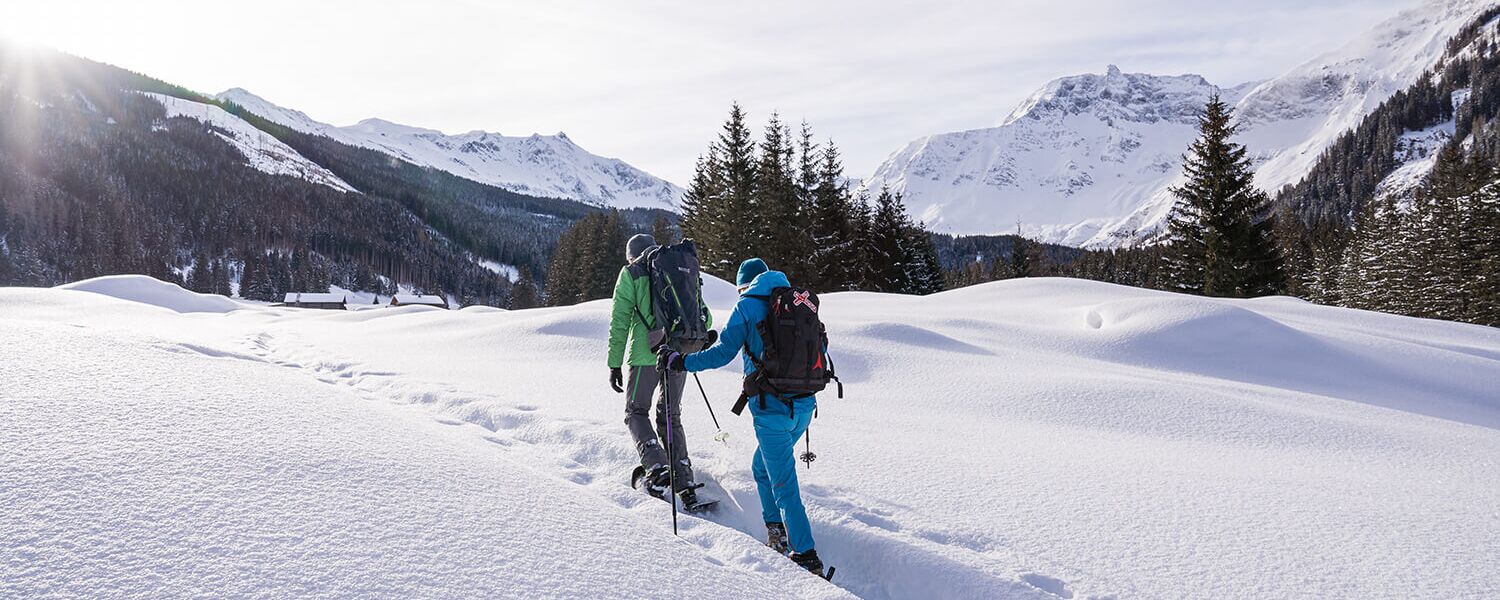
We've got the laid-back alternative to high-speed downhill skiing: snowshoeing in untouched snow! Curious about how to snowshoe, what gear you'll need, and what beginners should keep in mind? In that case, we've got you covered!
Why Snowshoeing is Gaining Popularity.
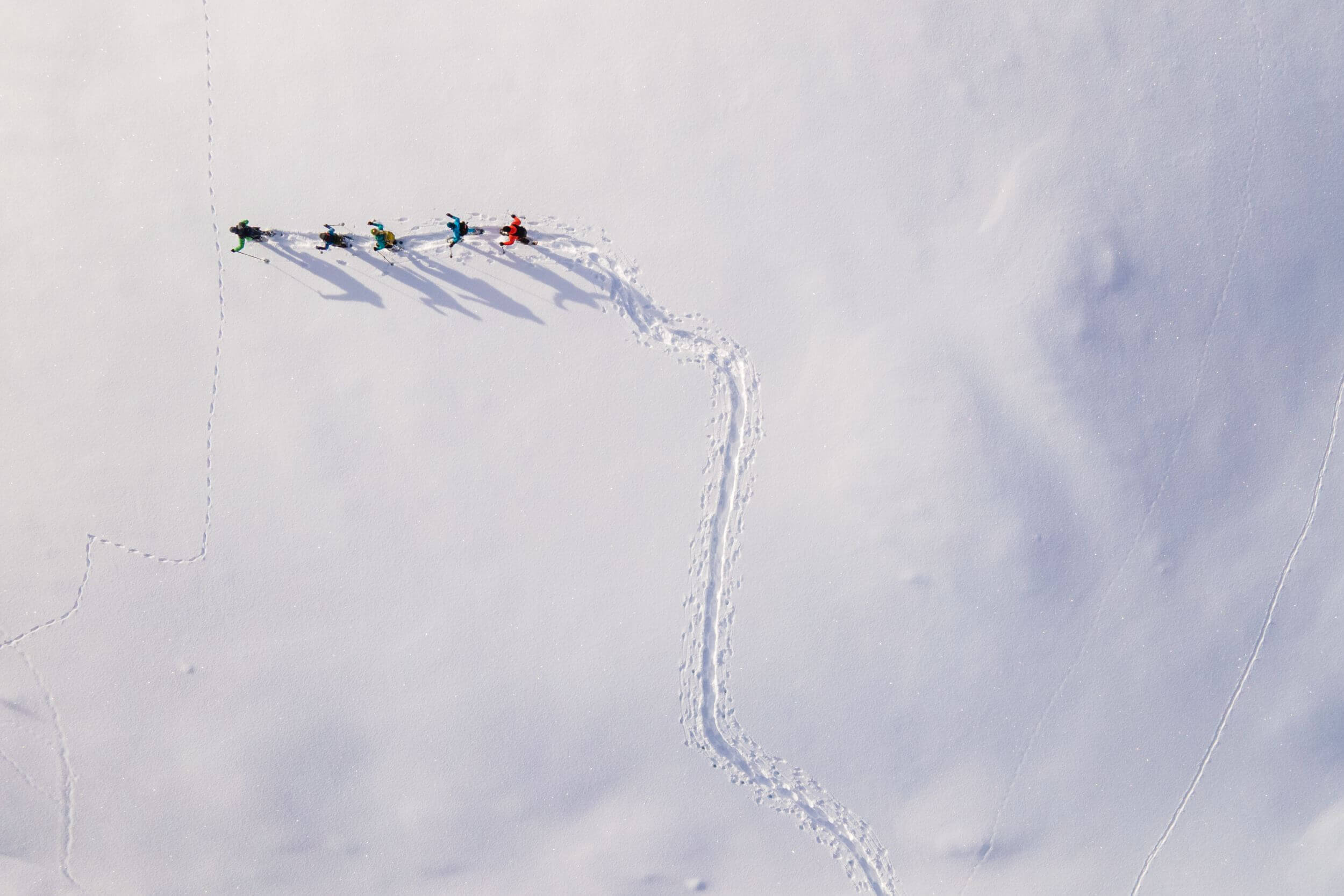
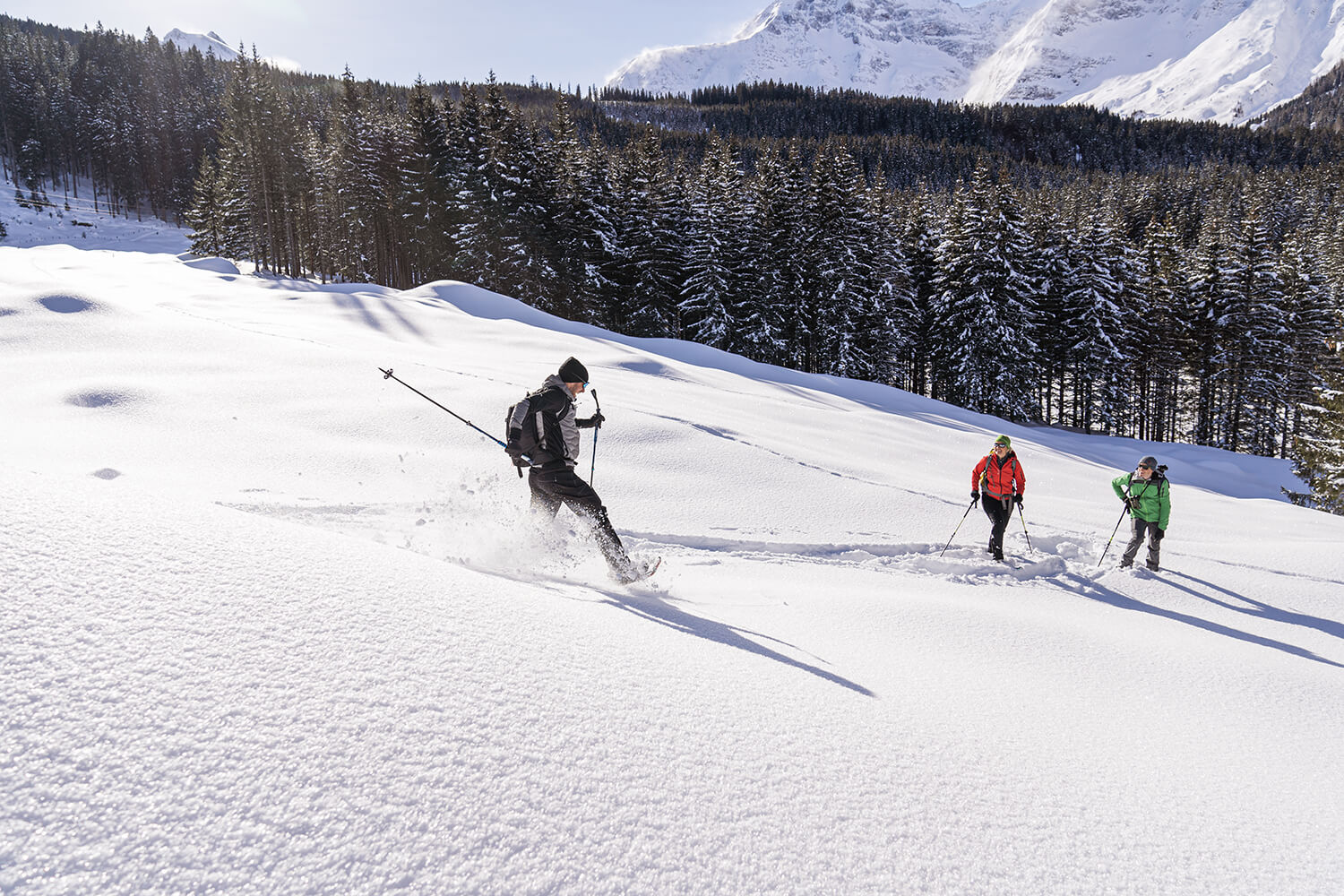
Imagine a mountain landscape covered deep in snow, fresh animal tracks here and there, the crunch beneath your snowshoes, and countless photo ops. More and more winter sports enthusiasts are looking for active relaxation and tranquility in the Alps, far away from busy ski slopes and groomed hiking trails. The steady, moderate pace of snowshoeing is a boon for cardiovascular health, bolsters the immune system, and—hooray—burns calories in the process. The wide surface area of snowshoes prevents you from sinking deep into the snow during your winter trek. That said, snowshoeing isn't entirely effortless: It's a bit more demanding than a summer hike, so keep that in mind when planning your snowshoe adventure, especially if you're a beginner. What else should you consider? We've summarized the key points for snowshoe newcomers below:
The Right Gear for Beginners: What Do Snowshoers Need?
Wondering what to wear, which shoes are suitable for snowshoeing, and what you shouldn't omit from your backpack? With our packing list, you'll be well-prepared for a safe outing in the snow:
- Snowshoes: Many sports stores in winter resorts offer snowshoes for rent along with modern ski gear, cross-country skis, and sleds. We recommend checking which local shops offer snowshoe rentals while planning your winter vacation. This way, you can get a taste of this gentle winter sport without investing in a full set of snowshoe gear up front. Pro tip: Our partner list shows which sports shops offer discounts on your gear. The experts on site can help you choose the right size based on your height and weight.
- Shoes: Next up, the proper footwear. Opt for warm, waterproof, and ankle-high hiking boots with a sturdy sole that can withstand snow and cold. For freezing conditions, consider lined boots.
- Poles: You'll also need (telescopic) poles with snow baskets to prevent them from sinking into deep snow. Telescopic poles can be adjusted to suit the terrain.
- Clothing: A hat or headband, a neck gaiter, and warm gloves are a given. Consider investing in high-quality gloves, as cold fingers can quickly spoil the fun of winter sports. With gloves, you'll have more dexterity, making it easier to grip poles and adjust your snowshoes than it would be with mittens. Gaiters can be a nice addition but aren't strictly necessary to keep snow from getting into your shoes.
For clothing, we suggest the layering principle: a thin moisture-wicking base layer, an insulating middle layer for warmth, and a water- and wind-resistant outer layer. This will allow you to adjust to temperature changes easily. - Rucksack:Your rucksack should contain your mobile phone, a change of clothes, a hot drink and some snacks, a trail map, a headlamp, a first aid kit, and avalanche safety gear. And don't forget your sunglasses and sunscreen or cold cream!
Techniques and Tips for Beginning Snowshoers: Walking, Climbing, Descending
So how do you actually go about snowshoeing? In essence, this gentle winter sport is accessible to everyone. All you need is decent baseline fitness and the right equipment (see above for details). Previous experience isn't necessary; even snowshoeing newcomers quickly get the hang of it. The only adjustment you'll need to make is widening your gait due to the large surface area of the snowshoes. Be mindful to set your steps parallel, walk evenly and upright, and find a comfortable pace for yourself. Remember, slow and steady wins the race!
The climbing aids can be used on steeper terrain. Then, for example, the duck walk is also used. This is the name given to the technique when the feet are turned outwards in a V-position. In very steep terrain, you can use the so-called hairpin bends and walk at an angle to the slope or even use the stair step across the slope from time to time. Downhill, bend your knees a little and lean backwards.
Snowshoeing Safety – Emergency Gear and How to Behave in Open Terrain
As with any sport, safety first! If you leave signposted paths and venture into the terrain with your snowshoes, be sure to check the weather & snow conditions and the avalanche report in advance! An avalanche transceiver, shovel and probe are an essential must on such a tour.
As a beginner in particular, you are better off on marked snowshoe trails. We recommend undertaking your first snowshoe tours with a trained guide such as in the Hohe Tauern National Park vacation region. There you will learn the right technique and he will explain to you what is important when snowshoeing. Along the way, you will gain insights into the animal and mountain world in your vacation resort. You can find information about (guided) snowshoe and winter hikes on the websites of the local tourism associations or from the local information team.
Preparing and Planning Your First Snowshoe Hikes: Route Selection and Safety Considerations
Finding a suitable snowshoe hike as a beginner involves careful planning. You'll need to take into account both your personal capabilities and the specific conditions of the location. Here's a step-by-step guide to help newcomers select the right route:
- Self-Assessment: Be honest with yourself about your abilities and your current level of fitness. As a beginner, opt for trails that align with your skill level and steer clear of overly ambitious routes.
- Research: Utilize hiking guides, websites, apps, and local hiking forums, as well as resources like tourist information centers, to gather data on possible snowshoe hikes.
- Difficulty Level: Pay attention to the indicated difficulty level of the trail, taking into account the elevation change, distance, and terrain. Routes marked as easy to moderate are best suited for beginners on their first snowshoeing trips.
- Weather and Snow Conditions: Stay updated on the current and forecasted weather conditions for the region and check the avalanche report. Ensure you're equipped with appropriate clothing and gear. If extreme weather conditions like heavy snowfall or avalanche risks arise, it's better to cancel or reschedule your hike.
- Maps and GPS: Acquire detailed maps of your intended route. GPS devices or smartphone apps with GPS features can be beneficial for orienting yourself in the area.
- Emergency Equipment: Make sure you've packed the essential emergency gear: a first-aid kit, flashlight, multitool, and mobile phone. If you're venturing off marked trails, don't forget your avalanche probe, shovel, and avalanche transceiver!
- Companions: If possible, don’t venture out alone, especially if you’re a beginner. Hiking in a group or with experienced friends is safer.
- Respect for Nature: Adhere to local guidelines concerning wildlife and environmental protection. Leave no trace by packing out all trash, and refrain from entering restricted areas.
- Start Slow: As a beginner, kick off with shorter snowshoe hikes and gradually increase the level of difficulty and distance as you gain more experience.
5 good reasons for snowshoeing
Summarized and at a glance: We'll tell you why snowshoeing is a great alternative to skiing, even for beginners.
- Costs: The equipment is far cheaper than ski equipment, for example.
- Quick success: Snowshoeing is quickly learned.
- Quiet: You get to places where you can enjoy nature in peace. Far away from turbulent ski slopes and queues at the lifts.
- Pure nature: You have time to take a close look at the beauty of the winter landscape. Glittering snow crystals here, gigantic icicles there, wild animal tracks here ...
- What could be better than active relaxation in the fresh mountain air? Body and soul will be delighted!
FAQs: Frequently asked questions about snowshoeing for beginners
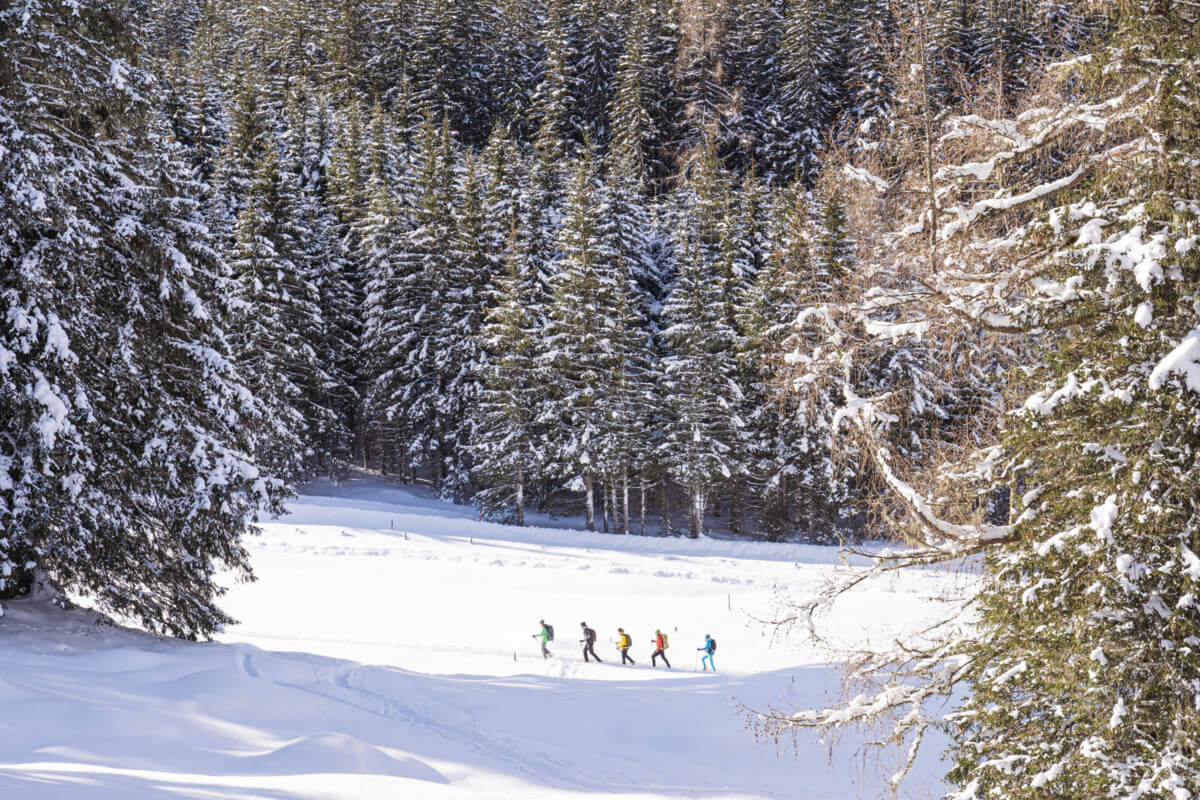
Yes, snowshoeing can be a family affair, appropriate for kids aged around 5 or 6 and up. The key to a successful outing lies in meticulous planning and preparation, just as it does when hiking with youngsters. Above all, make sure the trek is family-friendly to avoid overwhelming your little adventurers, remembering to take plenty of breaks. Kid-sized snowshoes are available, so it's a good idea to seek advice from a sporting goods store to ensure a proper fit!
For sustenance on the trail, opt for granola or energy bars, nuts, and dried fruits. A sandwich and some fresh fruit could also hit the spot. Make sure to hydrate with both warm and cold drinks. And, of course, leave no traces—pack out all your trash..
Absolutely, many winter sports destinations offer rental services for snowshoes and poles. If you're staying with ALPS RESORTS, make sure to check out our partnership deals for some attractive discounts on rentals.
Copyright© Ferienregion Nationalpark Hohe Tauern

Verena Junger
Content Manager at ALPS RESORTS
Millennial with a passion for solitary mountains and compelling stories, always on the lookout for exciting destinations and experiences.
Would you like to learn more about ALPS RESORTS? Feel free to use our contact form or submit a non-binding inquiry.