

At a glance
Good to know
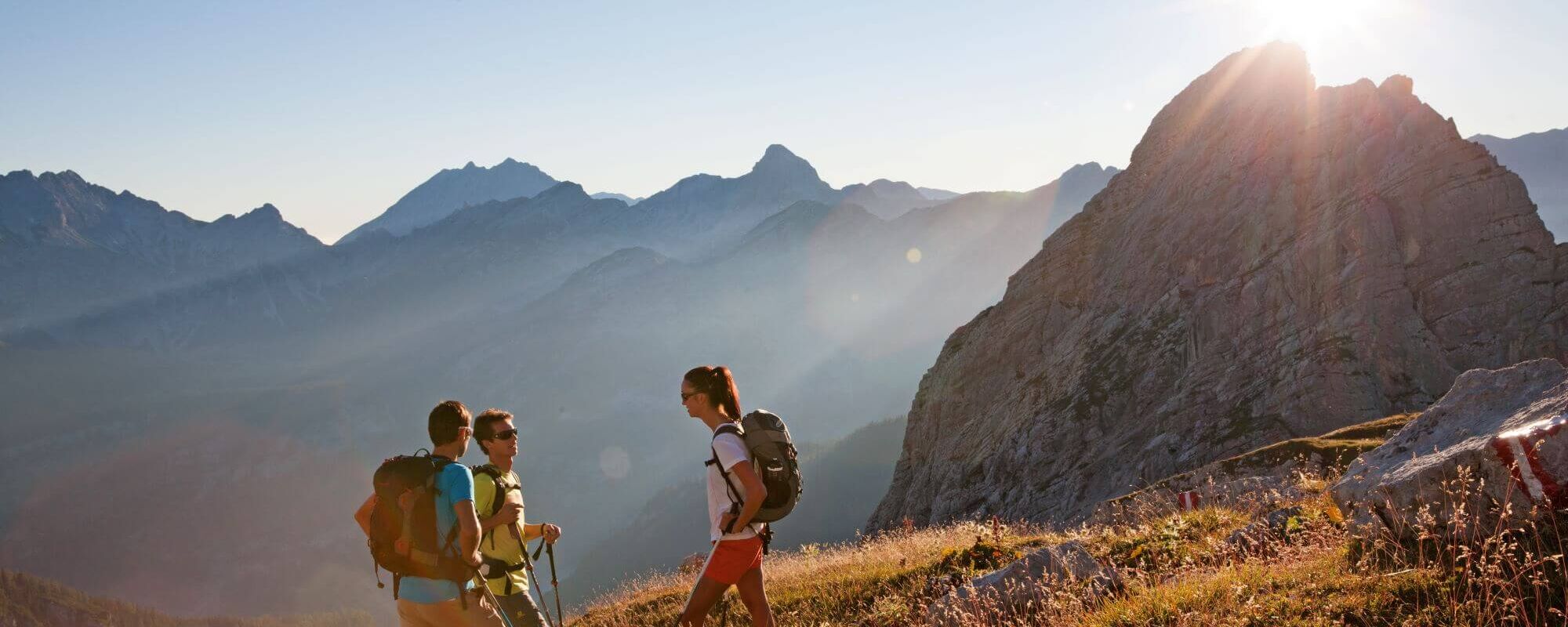
Hike first, then relax: Here you will find the right accommodation for your hiking vacation - optionally with a (private) wellness area.
Hiking in Autumn in Austria
Our tips
Colorful leaves, clear mountain air, and perfect hiking temperatures: autumn is the prime season for outdoor adventures. So, why should you lace up your hiking boots in September and October in particular? And what should you bear in mind during autumn hikes? We’ve put together everything you need to know about hiking in autumn in Austria!
What makes autumn in Austria so extraordinary for hiking?
Are you part of the "summer hiker" team? We provide you with powerful arguments in favor of a hiking vacation in Austria in autumn:
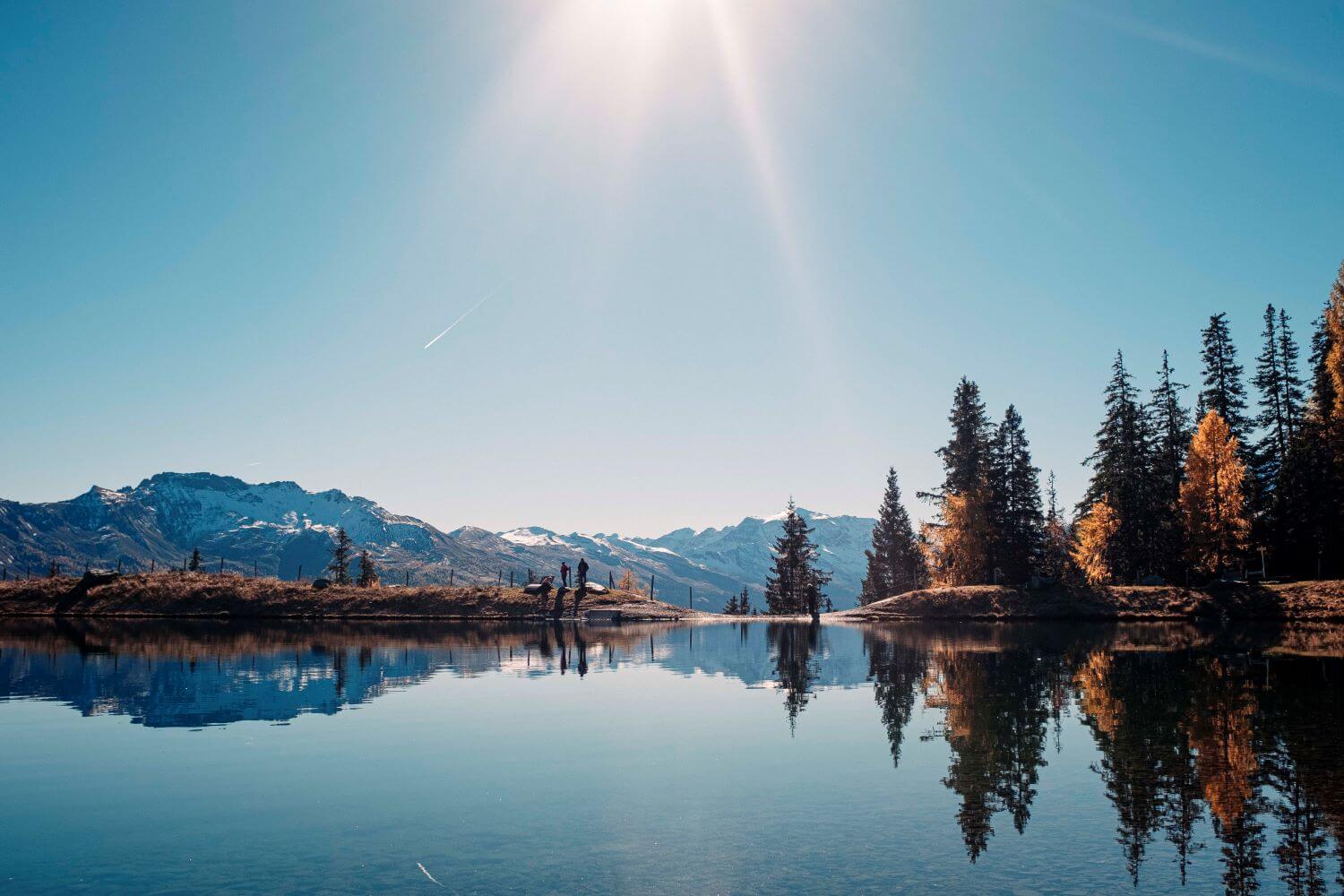
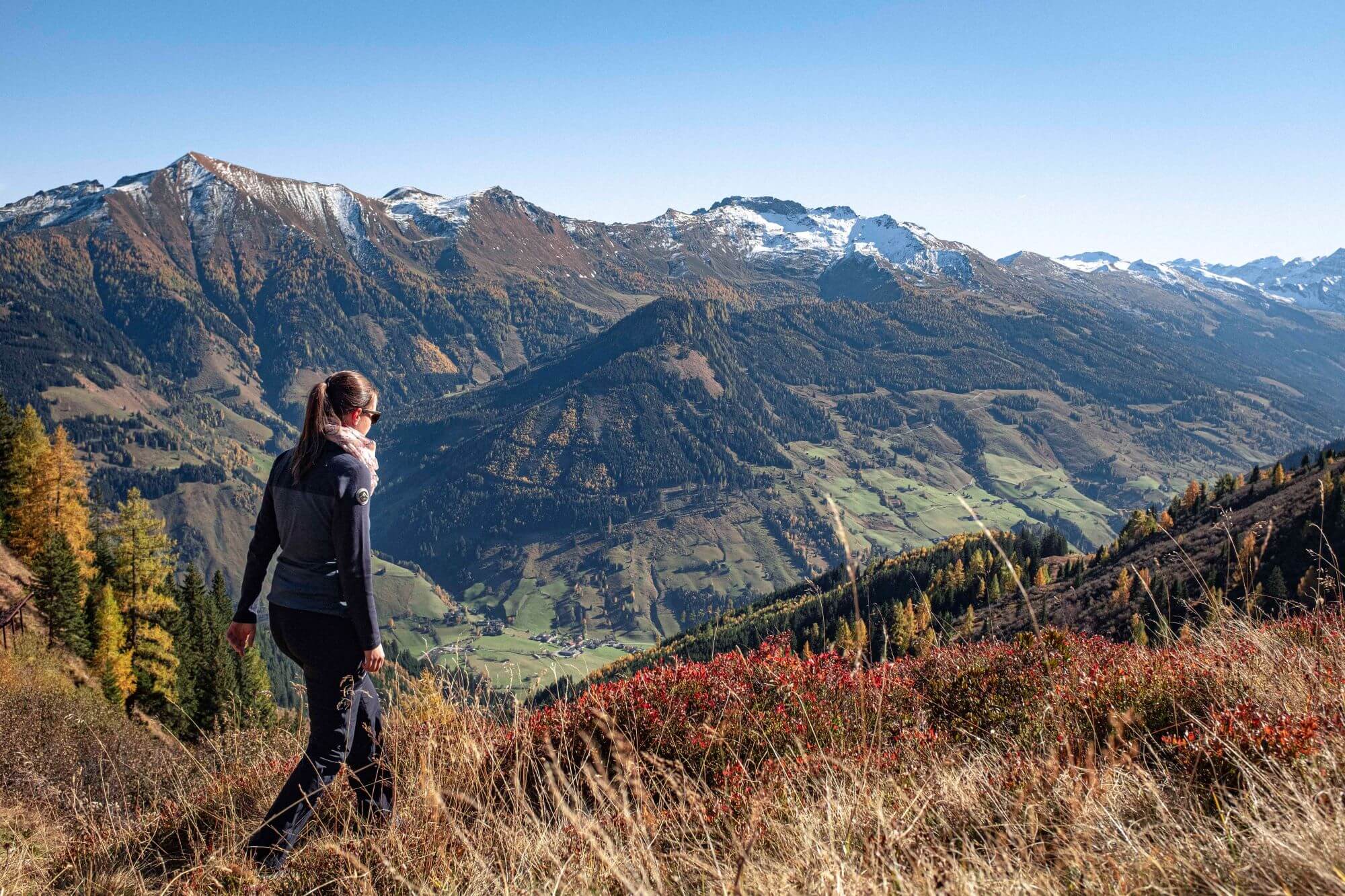
Pack your binoculars and camera! After the humid summer months, the air and visibility are clearer in the fall. Peaks and vantage points in particular offer impressive panoramas. Lower sun, morning mist in the valley, light and shadow play more intensely, the landscapes have a magical effect. Have you ever witnessed the alpenglow when the mountains glow in reddish light?
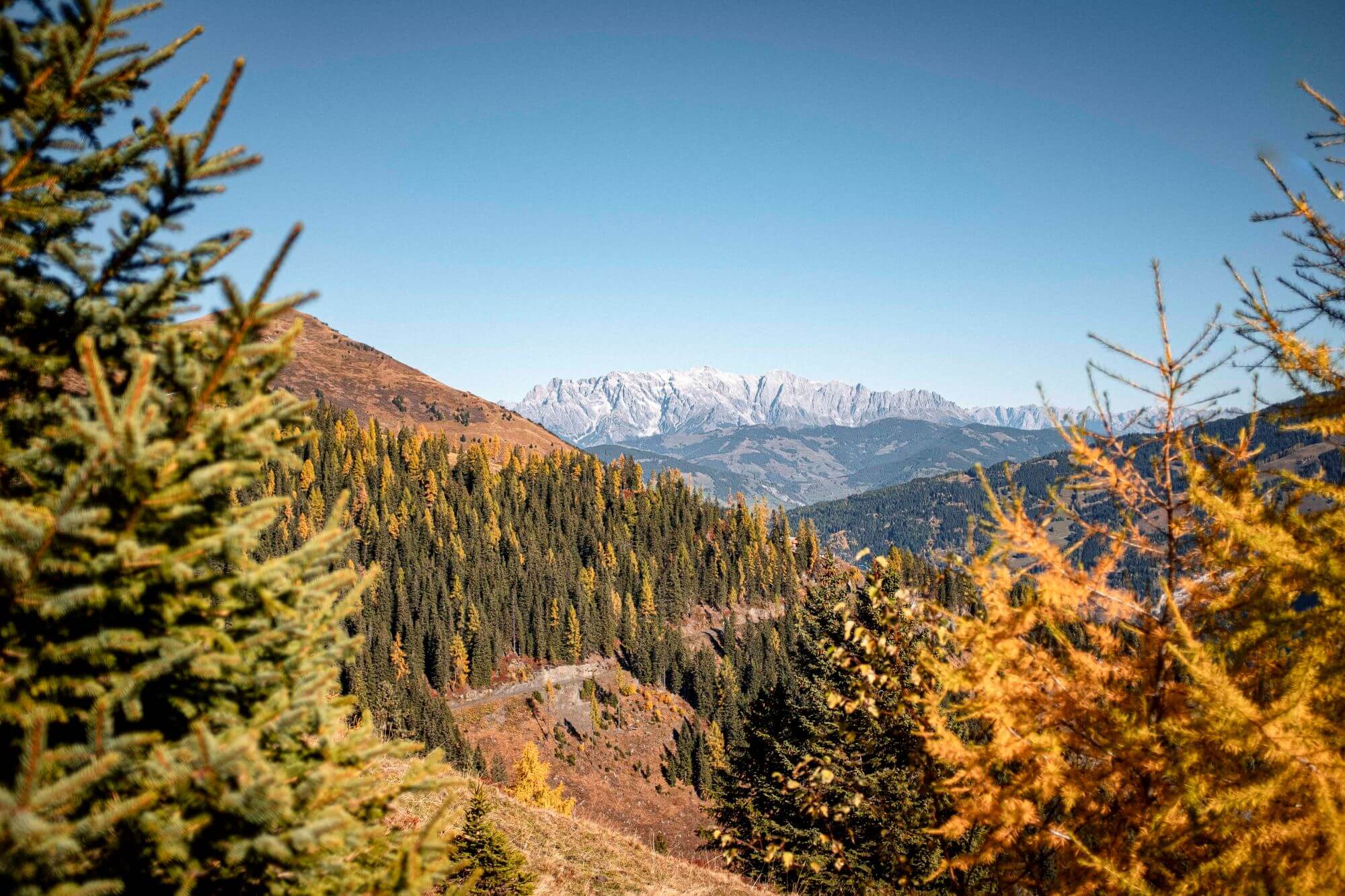
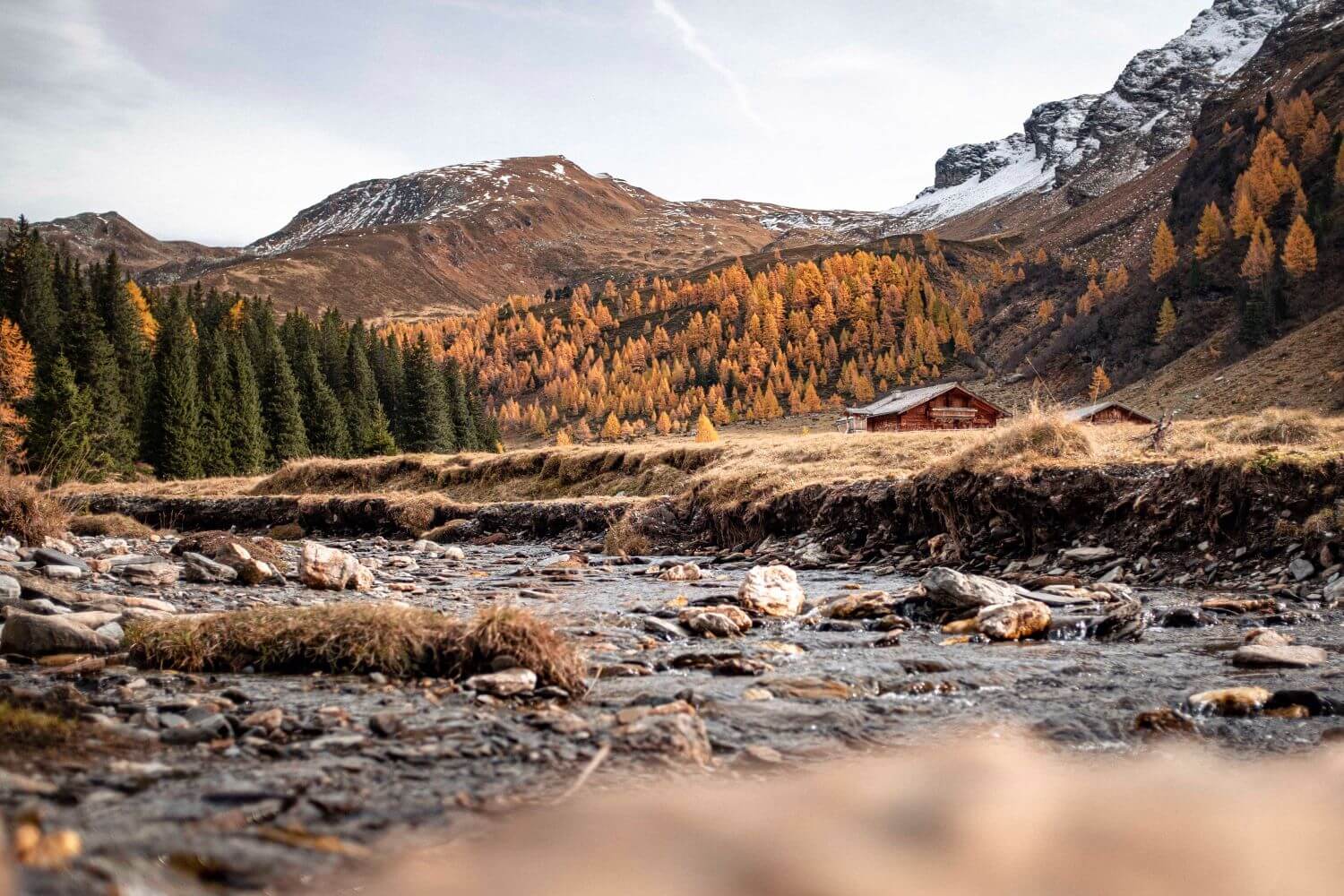
So beautifully colorful and pleasantly fresh: In autumn, the forests turn into a sea of color. The leaves glow in warm tones, the blaze of color creates a particularly atmospheric atmosphere on autumnal hikes in Austria.
Cool, fresh air awaits you in the mountains. The heat is over and the temperatures in autumn are often ideal for longer hikes.
Lots of space and top value for money: Compared to the peak season in summer, there are fewer people on the hiking trails in autumn. Look forward to a quieter and more intense nature experience. Plus: Exciting price advantages and attractive offers await you in the low season!
Wildlife spotting: Many animals are particularly active in Austria's mountains in the fall as they prepare for the barren winter. Hikers therefore have a good chance of observing wild animals such as roe deer, stags and birds in their natural habitat.
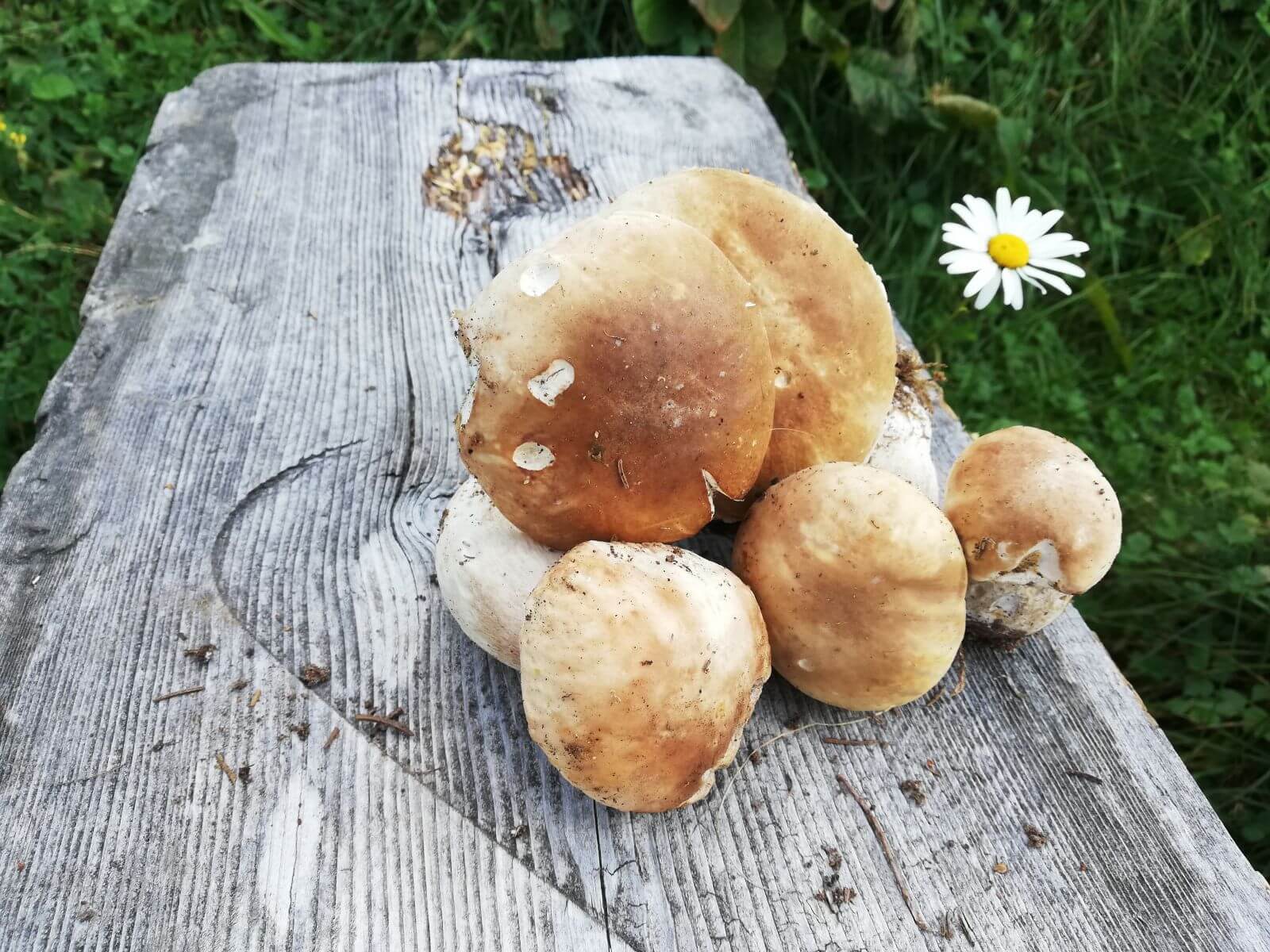
Delicious! Autumn is the time when many mushrooms and wild fruits such as berries are ripe. Pack a mushroom knife and cloth bag in your backpack for your hike.
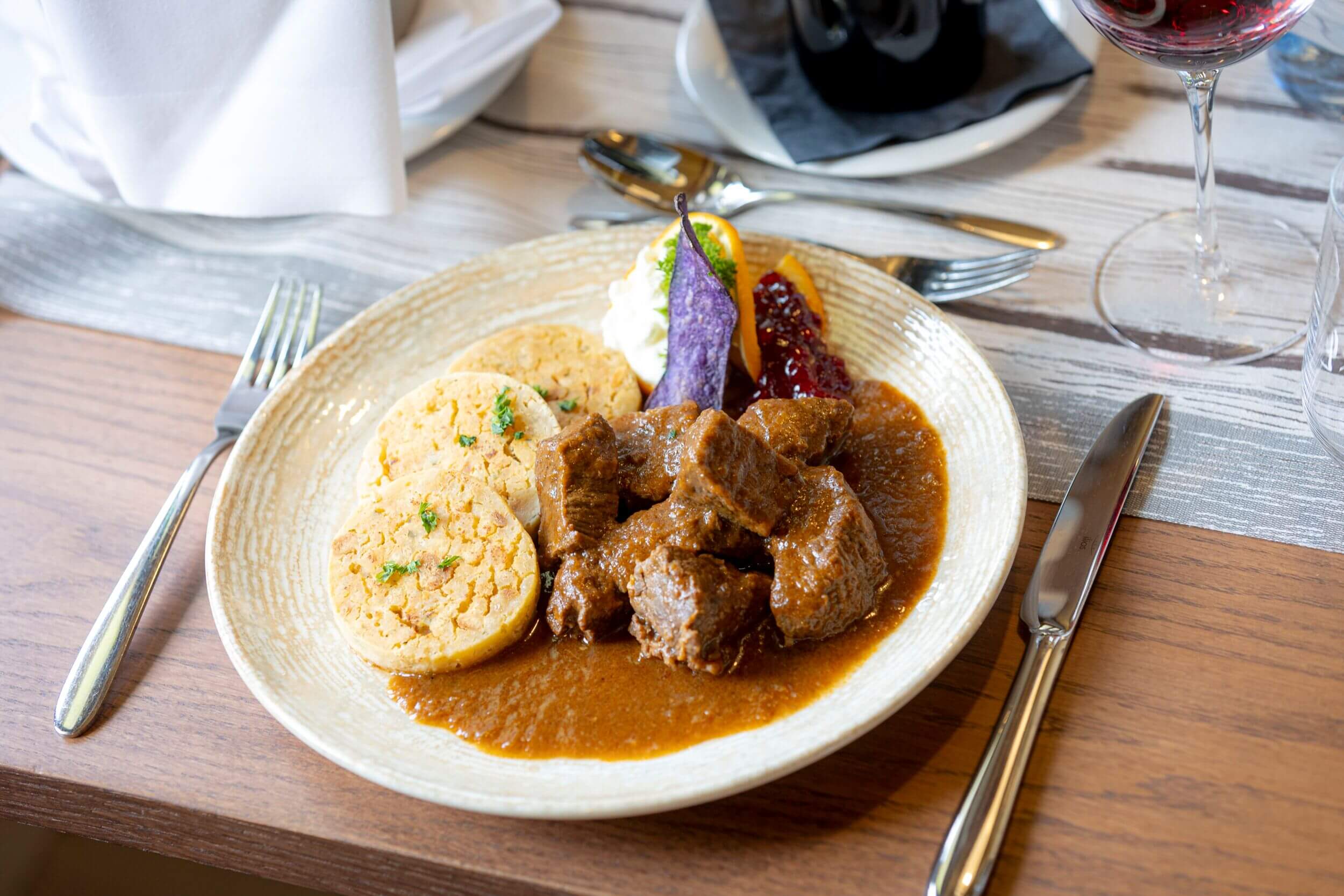
In many regions, inns and huts serve dishes that are typical for this time of year in Austria. Mushroom and game dishes, sweet and sour doughnuts, pumpkin soup, fruit cake ...
Hiking with dogs: Autumn is ideal for dog owners, as it is not too hot for the four-legged friends. Austria's nature offers them many exciting smells and impressions during a hike in autumn.
Why is visibility so much better when you hike in autumn?
Cooler temperatures in September and October reduce the amount of moisture that evaporates into the air. The weather is generally more stable, often dominated by high-pressure systems. The typical weather phenomena that promote cloud formation and air turbulence decrease. Moreover, there are fewer airborne pollen and dust particles in autumn. When the vegetation is less active, the concentration of such particles decreases.
In a "nutshell": Dry air, less clouds, haze, and pollen create the perfect recipe for the stunning visibility you are treated to whilst hiking in autumn in Austria.
Tips & Recommendations: What to consider when hiking in autumn
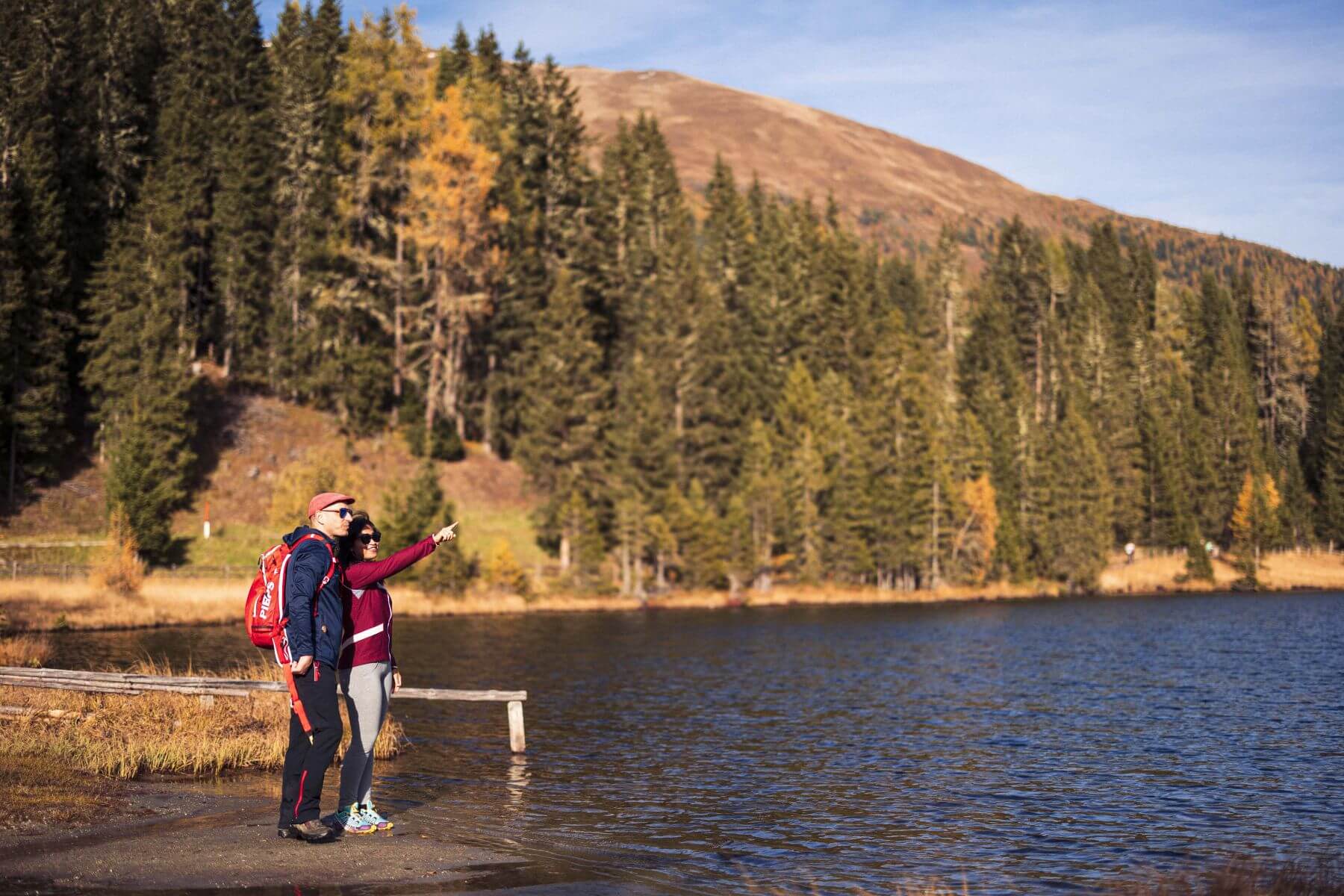
Autumn hikes in Austria differ from tours in midsummer, and not just because of the temperatures. Keep these facts and recommendations in mind when planning your tour:
- Check in advance whether the huts along your hike, mountain railroads and toll roads are open. Autumn is already considered low season in Austria's mountains due to the temperatures and weather conditions, and not all excursion destinations are open (daily)
- Pack a hat, gloves and fleece jacket. It can be quite frosty - especially in the early morning. Temperatures drop in September and October. Frost can occur, especially on clear, windless nights, marking the transition from warmer fall days to the cold season.
The days are shorter, it gets dark faster.
- Plan to be back at your vacation home in good time before nightfall. Don't forget your headlamp in case of emergency.
- Pack enough provisions. Even though it’s cooler in autumn, you should still carry plenty of water (or warm drinks). High-energy snacks like nuts or dried fruit are ideal for hiking.
- Sturdy shoes with good grip: In autumn, the ground can be extremely slippery due to wetness and fallen leaves. Be particularly cautious on trails covered with leaves, as there may be roots, stones, or slick spots hidden beneath.
- Respect wildlife: Marmots are settling down for an extended nap, chamois are preparing for winter. That said, be really mindful of wildlife, stay on marked trails, and avoid wildlife protection areas. Make sure to be aware of hunting seasons and obey any trail closures.
- Protect nature: Always take your trash back to the valley with you and stay on marked paths. Of course, this guideline doesn’t only apply in autumn.
The right clothing matters: What to wear for hiking in autumn?
There's no such thing as bad weather, only bad clothing - who hasn't heard that saying? It's important to be prepared for changing weather conditions and temperatures. For your hikes in the fall, we recommend
1st layer or onion principle:
- Base layer: A breathable, moisture-wicking shirt made of merino wool or synthetic fabric. Avoid cotton - it retains moisture. It can be uncomfortable in the cold.
- Interlayer: A fleece sweater or a thin, insulating jacket. This layer retains body heat.
- Upper layer: A weatherproof, waterproof, windproof and breathable jacket protects against rain, wind and cold.
2nd pair of trousers: Lightweight, breathable hiking trousers that offer freedom of movement. In cooler weather, it's best to opt for lined hiking trousers. Zip-off pants are practical if temperatures vary greatly during the hike.
3. hiking boots: Sturdy, waterproof hiking boots with a good tread for slippery or muddy paths. The shoes should be well broken in to avoid blisters.
4. Accessories:
- Hat or headband: Important protection for your head and ears in cold winds.
- Gloves: Thin but warm gloves are ideal.
- Sleeve: Protects the neck and can also be pulled over the mouth and nose if necessary.
5th rucksack: A hiking rucksack with a rain cover in which you can carry food, water, a warm layer, maps, a headlamp and first aid equipment.
6. Socks: Thick, breathable hiking socks, ideally made from merino wool or a synthetic material that reduces blisters and keeps you warm.
7. Extras:
- Sunglasses: The sun can also be intense in fall, especially at higher altitudes.
- Rain trousers: Waterproof overtrousers are practical for particularly wet days and rain hikes.
Austria's Nature in Autumn
Before nature settles down under a white blanket for a few months, it enchants us with a fascinating display of colors and bounty. When hiking in Austria's mountains in September and October, you will be fortunate to witness some of nature’s true spectacles:
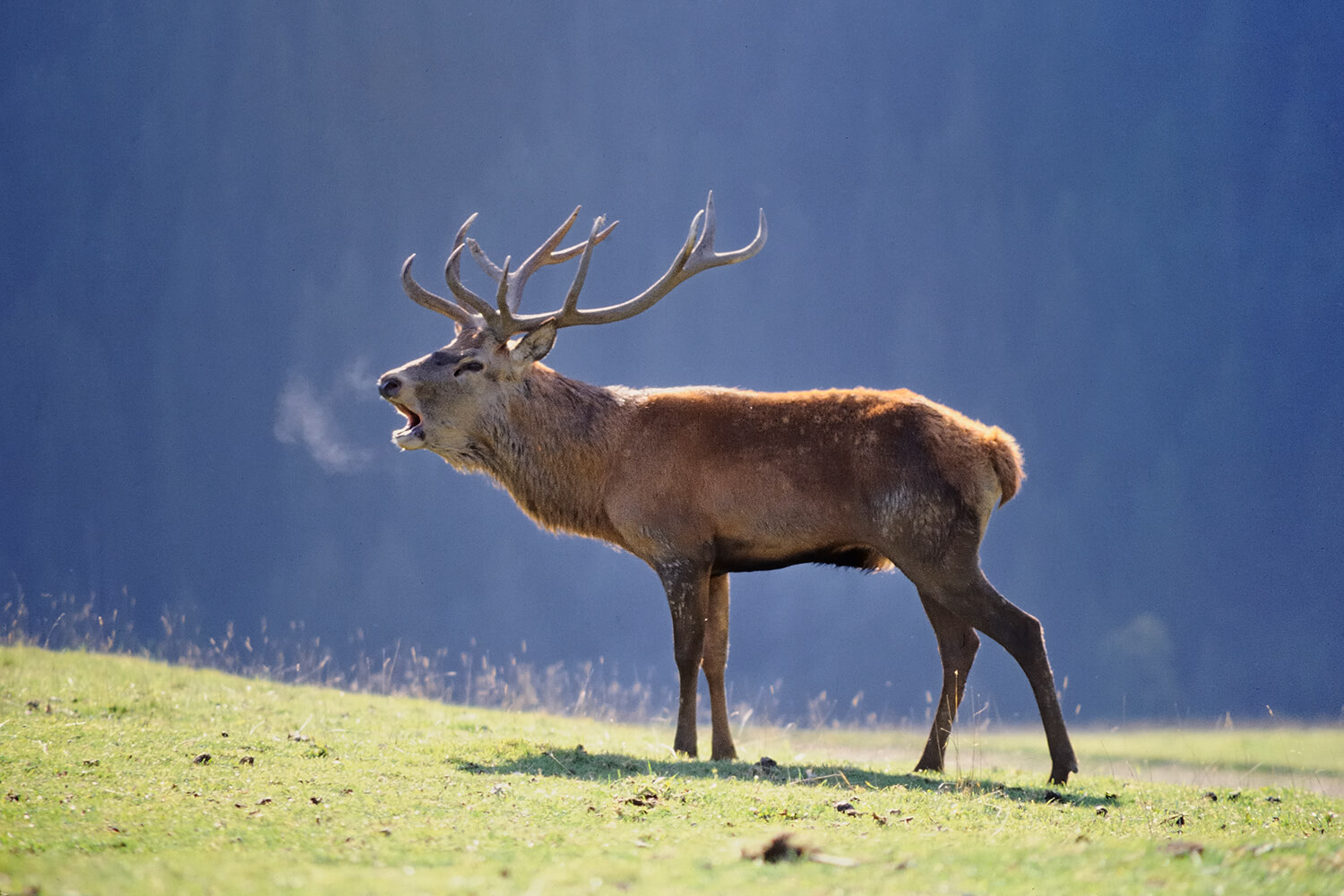
Wildlife Watching in Austria
September is also rutting season in Austria—the time when stags engage in attention-getting jousts to impress females, with their bellowing calls echoing through the forests. Hiking in Austria during the autumn months gives you the chance to witness this fascinating spectacle up close. A national park excursion with an experienced ranger may take you to the rutting grounds where you can see majestic stags in all their glory. This is one of the highlights in the Hohe Tauern National Park holiday region, especially in the Rauris Valley, where such a tour is also included for holders of the National Park Summer Card.
In Carinthia, during October, you can observe deer, chamois, ibex, and marmots on guided hikes inside Hohe Tauern National Park. Equally exciting tours are offered in the Gesäuse region, located close to Erzberg Alpin Resort.
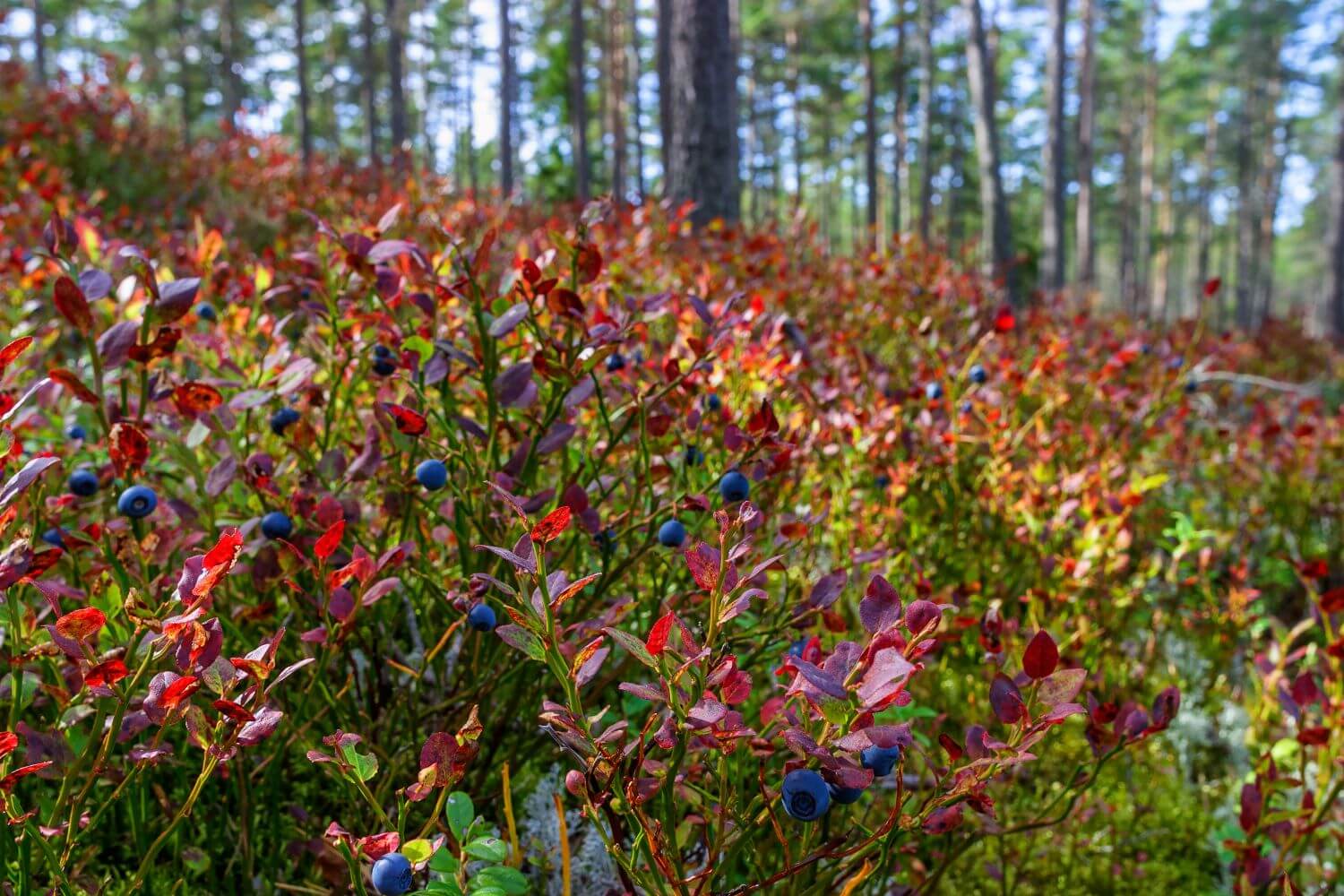
Mushrooms and Berries Galore
Nature bestows her bounty on us in autumn – this is harvest time after all! With a bit of luck and a keen eye, you might even stumble upon one of the locals’ well-guarded mushroom hotspots deep in the forest and be able to collect some delicious chanterelles.
Or perhaps you’ll stumble across a field of blue superfood, i.e. blueberries. These berries work wonders for stomach and intestinal issues as well as inflammation of the mouth and throat. A proven remedy that also happens to taste wonderful—especially when expertly cooked into Heidelbeertatschi or Moosbeenock’n. If you see these dishes on a menu, don’t hesitate to give them a try. You won’t be disappointed! #thankmelater 😉
What else is missing? Ah yes, of course! You will be able to find your ideal accommodations in our resort overview: A modern apartment in the National Park region, a chalet with private pool, a holiday home with a sauna and whirlpool surrounded by pine forest, or a holiday apartment right by the summer cable car… So, will you allow us to share an Indian Summer with you at our ALPS RESORTS in Austria? For my part, I’m already on the way – I have developed a real craving for a plate of Moosbeenock’n 😋
Copyright © Titelbild: Salzburger Land Tourismus; Hirschbrunft: Nationalpark Hohe Tauern, Ferdinand Rieder; Heidelbeeren: istock|TT; Rauriser Hochalmbahnen; ALPS RESORTS

Verena Junger
Content Manager at ALPS RESORTS
Millennial with a passion for solitary mountains and compelling stories, always on the lookout for exciting destinations and experiences.
Would you like to learn more about ALPS RESORTS? Feel free to use our contact form or submit a non-binding inquiry.